

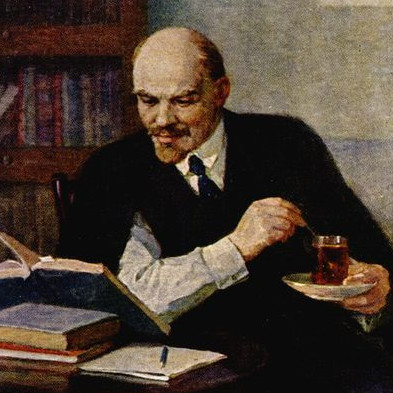
firstly, the ussr was a multicultural internationalist project, not just russia, as it is often mischaracterised by the west. while there was a certain amount of russian cultural domination in some respects, this was mostly due to that nationality having the largest population, as well as baggage from the russian empire, not government policy, which was, if anything, geared towards the opposite.
also, i can’t quite see what “serbian centrism” you are referring to in regard to the sfrj. living standards in slovenia and croatia were generally much higher than in the more southern republics, and the central government’s policy regarding kosovo and metohija was anything but pro-serbian. in fact, the serbian right wing constantly whines about how socialism allegedly “weakened their nation”.


didn’t the federal system lead to the various republics becoming increasingly economically independent from each other, competing for resources, and thus laying the seeds for future political conflict? to me, it seems like exactly the kind of system that produced people like milošević in the first place!
also, a federal system risks exacerbating, instead of relinquishing, needless national differences, creating opportunities for people to primarily identify with their petty national groupings, rather than the internationalist project as a whole, and risking giving breathing space to reactionary movements hiding behind the shield of this or that national cultural grievance.
from the mid-'80s onward, the soviet government was granting greater and greater degrees of cultural and, more importantly, economic independence to its various republics, imitating some aspects of the yugoslav system. this policy ultimately led to nothing but further decomposition of social unity, which went on contributing to the country’s collapse.