
Experts worry that some young people are turning to AI bots during mental health crises, which the tech isn’t made to handle. An author of the survey said regulations are needed.
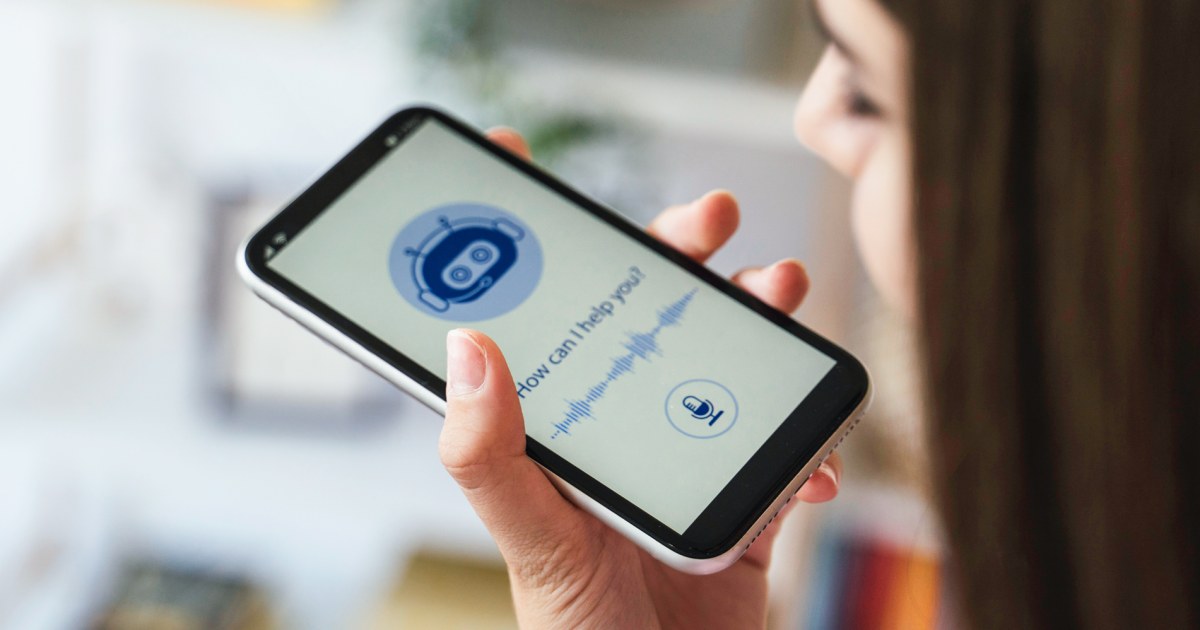
Nearly 1 in 5 adolescents and young adults are turning to AI chatbots for advice when they’re sad, angry, nervous or stressed, according to a new study.
The findings, from the research institute RAND, represent an increase from early 2025, when the nonprofit conducted a similar survey. At the time, around 13% of respondents said they used chatbots for such advice, but the share rose to 19% in the group’s latest survey in November, the results of which were published Monday in the journal JAMA Pediatrics.
“It’s a sad number, because you’d hope that young people would have the sorts of supportive relationships that they would feel comfortable and empowered reaching out to those around them,” said Ryan McBain, a senior policy researcher at RAND and the lead author of the study.
Agreed on the popularity. Some things are better off rare. Cars became popular, and now American infrastructure is fucked. We should always tread carefully.
As far as an AI handling anything with care, frankly I trust it more with some cases. I don’t trust people to make the right calls when presented with a combination of certain traits, especially when we get into areas where bias and ignorance are strong in the culture. At least an AI won’t get you institutionalized or thrown into a camp where people try to “fix” you when you bring up an issue where that’s their go-to answer to your problems. People can be cruel. AI can be careless. One of those problems feels more solvable to me.
What I mean is that I don’t think the AI problem is solvable. Like, mathematically.
The problems LLMs have are fundamental to the approach used to build them.
They are built to encode an understanding of the syntax of language such that they know the word ‘kill’ usually doesn’t follow the word ‘help’. Usually.
But they cannot be taught the semantic meaning, which means they do not have the faculties to evaluate the quality of any advice they’re giving. This is why it’s said that everything they say is a hallucination.
If it can be taught how to syntactically frame the idea ‘to kill’ as if it were a good solution to one’s problems, but not why it shouldn’t do that, that seems really, really dangerous to me. Not about killing specifically, but regarding every bad advice blind spot we haven’t thought of.
Anyway. I didn’t even mean for this reply to be this long. I do sympathize with the difficulty of people’s bigotries. I just don’t think AI is the answer to it. A stronger social foundation for medicine, therapy and help would be way, way better.
And will never ever happen. Even with free medicine it will never ever happen. So we work with reality.