
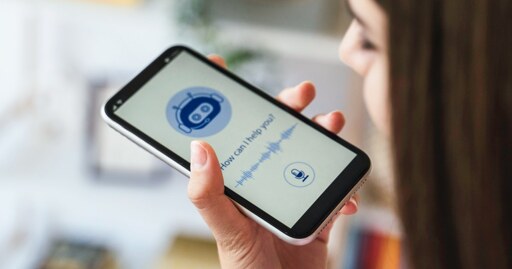
Experts worry that some young people are turning to AI bots during mental health crises, which the tech isn’t made to handle. An author of the survey said regulations are needed.
Nearly 1 in 5 adolescents and young adults are turning to AI chatbots for advice when they’re sad, angry, nervous or stressed, according to a new study.
The findings, from the research institute RAND, represent an increase from early 2025, when the nonprofit conducted a similar survey. At the time, around 13% of respondents said they used chatbots for such advice, but the share rose to 19% in the group’s latest survey in November, the results of which were published Monday in the journal JAMA Pediatrics.
“It’s a sad number, because you’d hope that young people would have the sorts of supportive relationships that they would feel comfortable and empowered reaching out to those around them,” said Ryan McBain, a senior policy researcher at RAND and the lead author of the study.
You need professional help. 7cups offers that as well, but it costs money.
Gee thanks. Great listening.
I’m not on fucking lemmy to listen to people in an active listening context… But I’ll strongman you:
Again, you would do better with genuine (even professional) human help. Chat bots are often sycophantic and even worse. You’re just digging deeper into your hole. And even though you’ve dug deep…
You literally reached out to a human to rationalize your thinking… What does that tell you?
This is what a good listener does that bots don’t.
I actually agree with you. Usually, people are a great resource to have that AI can’t replace. If we use AI for every issue, it’ll atrophy our ability to solve them ourselves. However, there are certain issues that are just private matters, and people aren’t equipped to handle them like you might want. The only thing I’d want from an AI on those matters is a reminder that I’m not broken, that I’m human, and that I’m not as alone as I think I am. AI does that fine. It also suggests speaking with a human at every opportunity. It’ll always be on the individual whether they do that. I wouldn’t tout AI as a replacement to therapy or anything of the like, but I do like that people who feel the way I do have an outlet for when other people aren’t the answer. And I promise you, there are plenty of examples where other people aren’t the answer. Go back a few decades, and other people could give you a lobotomy for your mental health. Things are better today, but shit with that same flavor is still on the table. The trust isn’t there.
One of the biggest barriers to getting help is the expectation that reaching out will result in being judged, dismissed, or talked down to.
Imagine someone is already struggling, finally works up the nerve to say “I’m having a hard time,” and the response they receive is essentially:
You’ve proved the point beautifully here.